Ronda Rousey's Armbar: Can Her Signature Move Still Dominate?
Ronda Rousey's iconic armbar once shattered records and opponents. Could her signature submission still carry her to victory if she made an MMA comeback?
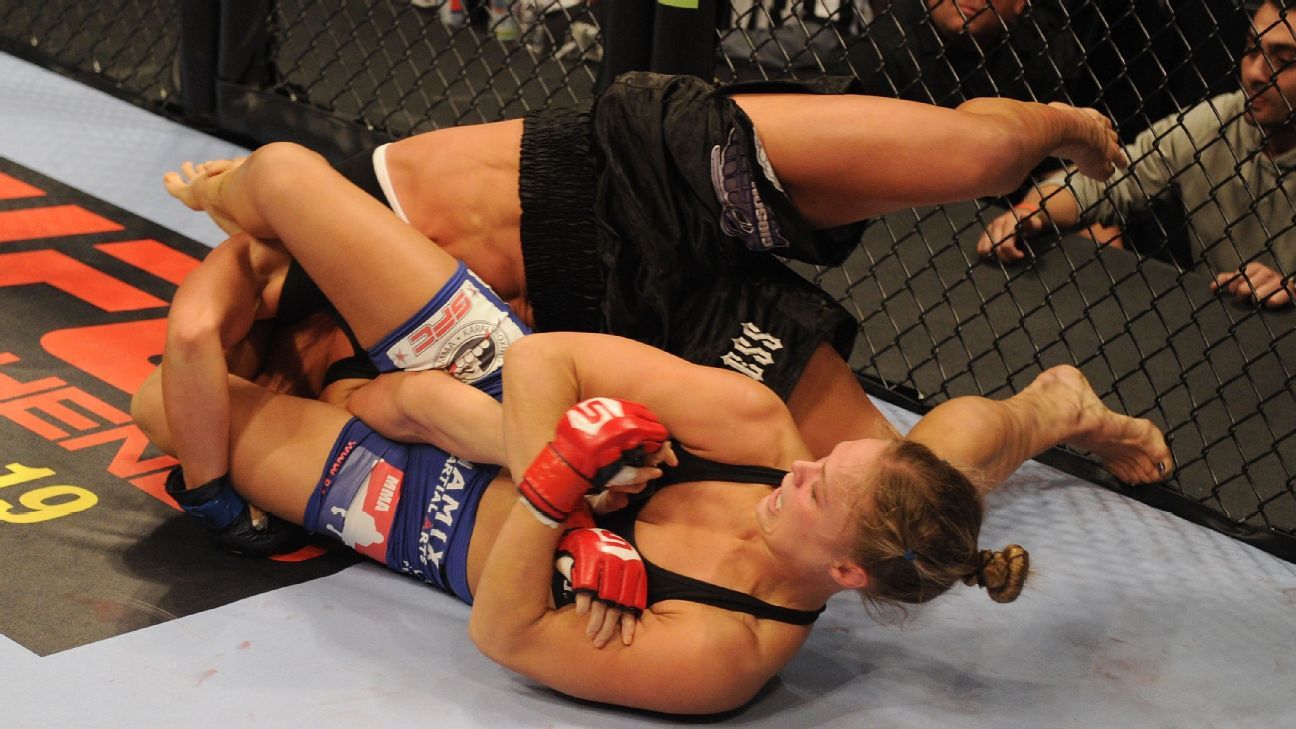
For a glorious, terrifying stretch, the name Ronda Rousey was synonymous with one thing: the armbar. It was her weapon, her calling card, and the finishing move that launched her into superstardom, transforming women's MMA from a niche curiosity into a mainstream spectacle. From the moment she stepped into the cage, opponents knew what was coming, yet few could stop it. But in a sport that evolves at lightning speed, the question looms large: if "Rowdy" Ronda Jean Rousey were to make a hypothetical return to the Octagon, could her legendary armbar still be the unstoppable force it once was, or has the game simply moved beyond a single, albeit devastating, technique?
The Unstoppable Force: Ronda Rousey's Reign and the Armbar's Dominance
Rousey's ascent was nothing short of meteoric. An Olympic bronze medalist in Judo, she brought an unparalleled grappling pedigree into the nascent world of women's MMA. Her transition from the mat to the cage was seamless, marked by a string of first-round armbar submissions that left audiences gasping. In Strikeforce and then the UFC, she became the inaugural Bantamweight champion, defending her title with a ferocity that bordered on mythic. Fighters like Miesha Tate, Sarah Kaufman, and Cat Zingano all fell victim to her signature move, often after being brutally thrown to the canvas with a judo toss, then expertly transitioning to the limb-snapping submission.
What made Ronda's armbar so effective wasn't just its execution, but the entire setup. Her ability to close distance, secure a clinch, and judo throw opponents with stunning power and precision put them in immediate peril. Once on the ground, her transitions were fluid and relentless, leaving little room for escape. The psychological warfare she waged before fights amplified the fear, making her opponents feel defeated before the first bell even rang. It was a perfect storm of skill, athleticism, and mental dominance that cemented her as one of the most dominant champions in UFC history.
The Evolution of the Game: Why the Armbar Alone Isn't Enough Anymore
However, as with all dominant forces in combat sports, adaptations eventually emerged. The landscape of women's MMA, particularly the Bantamweight division, underwent a rapid transformation during and after Rousey's reign. Fighters began to specifically train to counter her grappling, focusing on takedown defense, striking from range, and scramble techniques to avoid being caught in her web. The pivotal shift came with her shocking loss to Holly Holm at UFC 193, where Holm's superior striking, footwork, and defensive grappling exposed vulnerabilities that had previously gone unseen. The subsequent defeat to Amanda Nunes further underscored the need for a well-rounded skillset in an increasingly complex sport.
Modern MMA demands proficiency across all disciplines – striking, wrestling, and jiu-jitsu. While the armbar remains a potent weapon, relying primarily on one technique, no matter how perfected, is a dangerous proposition in today's UFC. Fighters are more complete, camps are more sophisticated, and game plans are meticulously crafted to exploit singular strengths. A returning Ronda would face a division populated by elite strikers, powerful wrestlers, and submission artists equally adept at offense and defense, all of whom have studied her entire career tape.
A Hypothetical Comeback: Can "Rowdy" Reignite Her Flame?
Speculation of a Ronda Rousey comeback periodically resurfaces, igniting passionate debates among fans. If she were to seriously consider a return, perhaps at 135 or even 145 pounds, it would undoubtedly be one of the biggest stories in combat sports history. But for a successful comeback, more than just her legendary armbar would be required. She would need to demonstrate significant improvements in her striking defense, head movement, and overall striking game, as well as an updated ground game that goes beyond her signature submission.
The current women's Bantamweight division is stacked with formidable talents like Raquel Pennington, Julianna Peña, and the ever-present threat of Amanda Nunes, should she return from retirement. A comeback would mean facing fighters who have evolved their craft significantly since Rousey last competed, presenting a monumental challenge. Her legacy is already secured as a pioneer and a superstar, but a return would test not only her physical prowess but also her ability to adapt to a sport that has dramatically changed since her peak. Whether her famous armbar could once again be the key to victory remains the ultimate, tantalizing question.
This report is based on original coverage by ESPN MMA. Read our editorial policy.
Related Stories
 MMA News
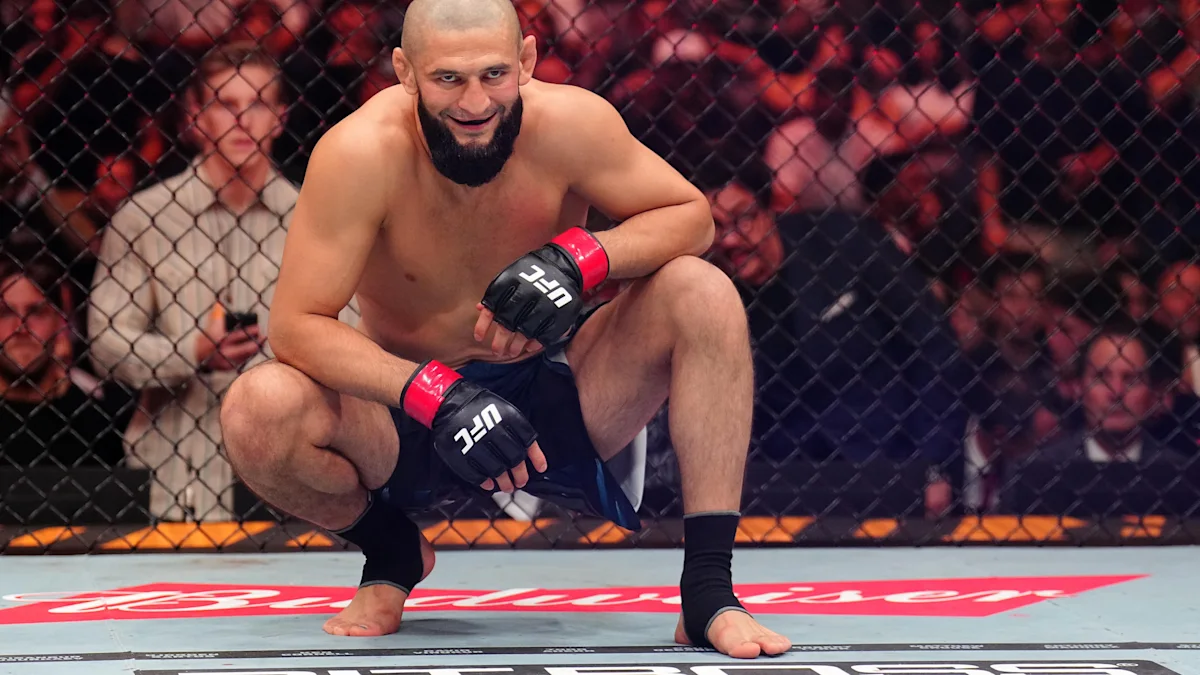
Khamzat Chimaev vs. Colby Covington Set for RAF Abu Dhabi Showdown
Khamzat Chimaev and Colby Covington will clash for the RAF Cruiserweight Crossover Championship on November 14 in Abu Dhabi. Don't miss this epic showdown!
Read More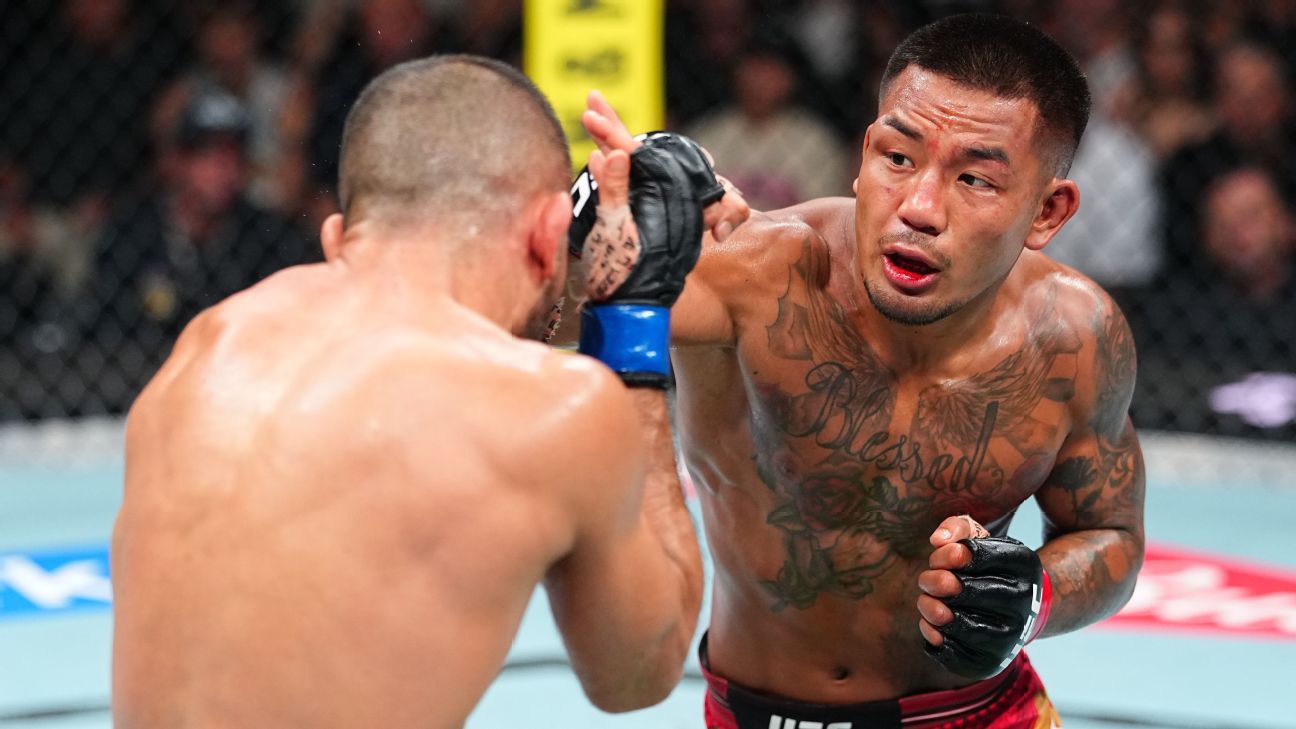 MMA News
Pound-for-Pound Rankings: Van and Tsarukyan Enter Top 10
Former champions elevate the women's flyweight division as Van and Tsarukyan break into the top 10 of the latest pound-for-pound rankings.
Read MoreBilal Hasan Aims for More UFC Shanghai-Style Knockouts
Bilal Hasan secures another knockout win, setting his sights on a career full of highlight finishes in the UFC.
Read More MMA News
Islam Makhachev Aims for Legacy in UFC 330 Title Defense
Islam Makhachev prepares for his first welterweight title defense at UFC 330, seeking to solidify his legacy with another victory.
Read More