Marco Antonio Barrera Dominates Prince Naseem Hamed in 2001 Showdown
On April 7, 2001, Marco Antonio Barrera showcased his skill by decisively defeating Prince Naseem Hamed in a thrilling boxing match.
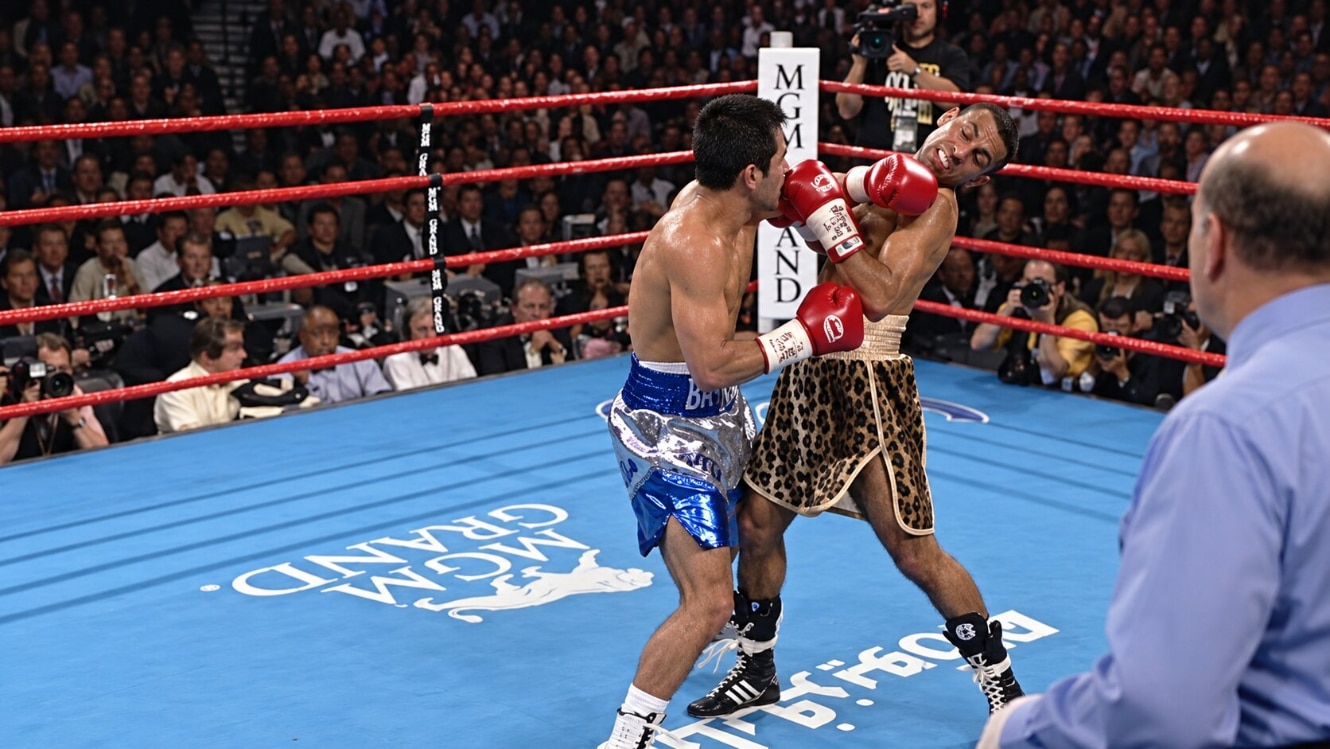
Marco Antonio Barrera vs. Prince Naseem Hamed: A Fight to Remember
On April 7, 2001, boxing fans witnessed a monumental clash when Marco Antonio Barrera faced off against Prince Naseem Hamed at the MGM Grand in Las Vegas. This highly anticipated bout pitted Barrera, known for his technical prowess, against Hamed, an explosive fighter famed for his unorthodox style and knockout power. However, as the fight unfolded, it became evident that Barrera's strategy and execution would outshine Hamed's flamboyant reputation.
Barrera's Tactical Mastery
From the opening bell, Marco Antonio Barrera demonstrated a masterclass in boxing technique. Utilizing disciplined footwork and a keen sense of distance, Barrera systematically dismantled Hamed's offense. The Mexican fighter's ability to stay light on his feet allowed him to evade Hamed's powerful punches while setting up his own counterattacks. Barrera's compact and effective counterpunching not only neutralized Hamed's wild swings but also exposed the weaknesses that lay beneath the British fighter's flashy exterior.
As the rounds progressed, Barrera’s strategy became increasingly effective. He consistently targeted Hamed’s body, sapping the energy of the notoriously brash fighter. Barrera's jab was particularly noteworthy; it served not only as a rangefinder but also as a weapon that disrupted Hamed's rhythm. The precision and timing of Barrera’s punches were on display, showcasing why he was one of the top fighters in the featherweight division.
A Turning Point in Featherweight History
The bout marked a significant turning point in the featherweight division, as Barrera's victory not only earned him the WBC title but also shifted the landscape of the sport. Hamed, who entered the ring with an undefeated record and a reputation for being nearly invincible, was forced to confront the reality of defeat. The fight served as a wake-up call for the boxer, highlighting the necessity of adaptability and strategy in the ring.
Barrera's win over Hamed is often remembered for its tactical brilliance, as the disciplined fighter employed a game plan that capitalized on his opponent's overconfidence. During the match, he showcased a variety of techniques, including effective head movement and an impressive defensive shell, which allowed him to avoid significant damage while consistently landing clean shots.
What Comes Next for Barrera and Hamed?
Following this iconic fight, Marco Antonio Barrera would go on to solidify his status as one of the all-time greats in boxing, engaging in further memorable bouts that would define his career. For Prince Naseem Hamed, the loss prompted a period of reflection and adjustments. His eventual return to the ring would see him striving to recapture the magic that had once made him a fan favorite.
As we look back on this historic fight, it serves not only as a reminder of Barrera's exceptional boxing skills but also as a pivotal moment in the history of the featherweight division. For fans and analysts alike, the matchup between Barrera and Hamed remains a fascinating study in technique versus flamboyance.
In the months and years to come, boxing fans will undoubtedly continue to analyze this fight's impact on both fighters' careers, eagerly anticipating how their legacies will evolve in the sport. The lessons of this bout remain relevant for fighters today: adaptability, discipline, and technical skill often outweigh sheer power and charisma in the ring.
As we await future matches in the featherweight division, the echoes of Barrera’s victory over Hamed remind us of the ever-evolving nature of boxing and the enduring legacy of its most iconic fighters.
This report is based on original coverage by Boxing News 24. Read our editorial policy.
Related Stories
 Boxing News
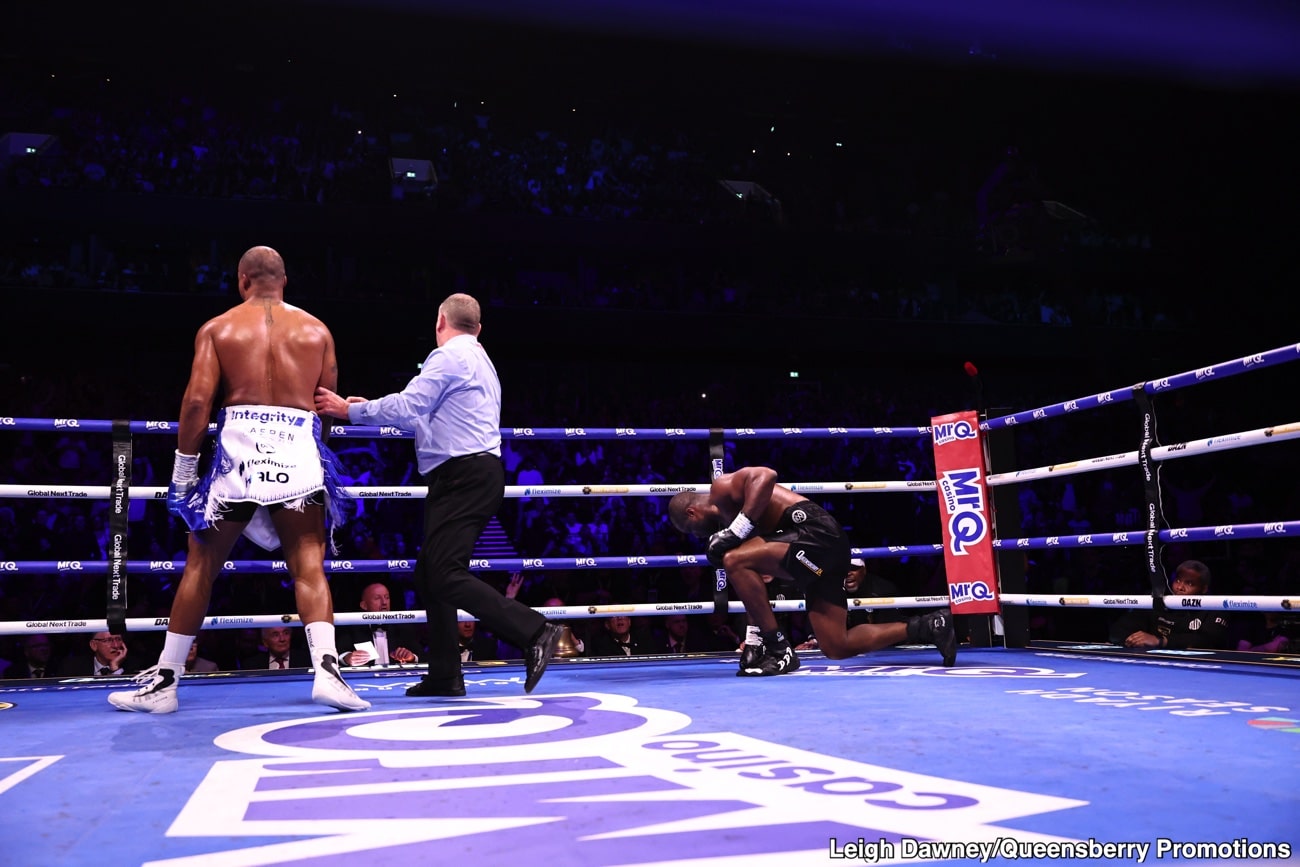
Daniel Dubois vs. Fabio Wardley: Analyzing Dubois' Knockdown Mastery
Daniel Dubois' knockdowns reveal the fine line between confidence and illusion in his heavyweight bout against Fabio Wardley.
Read More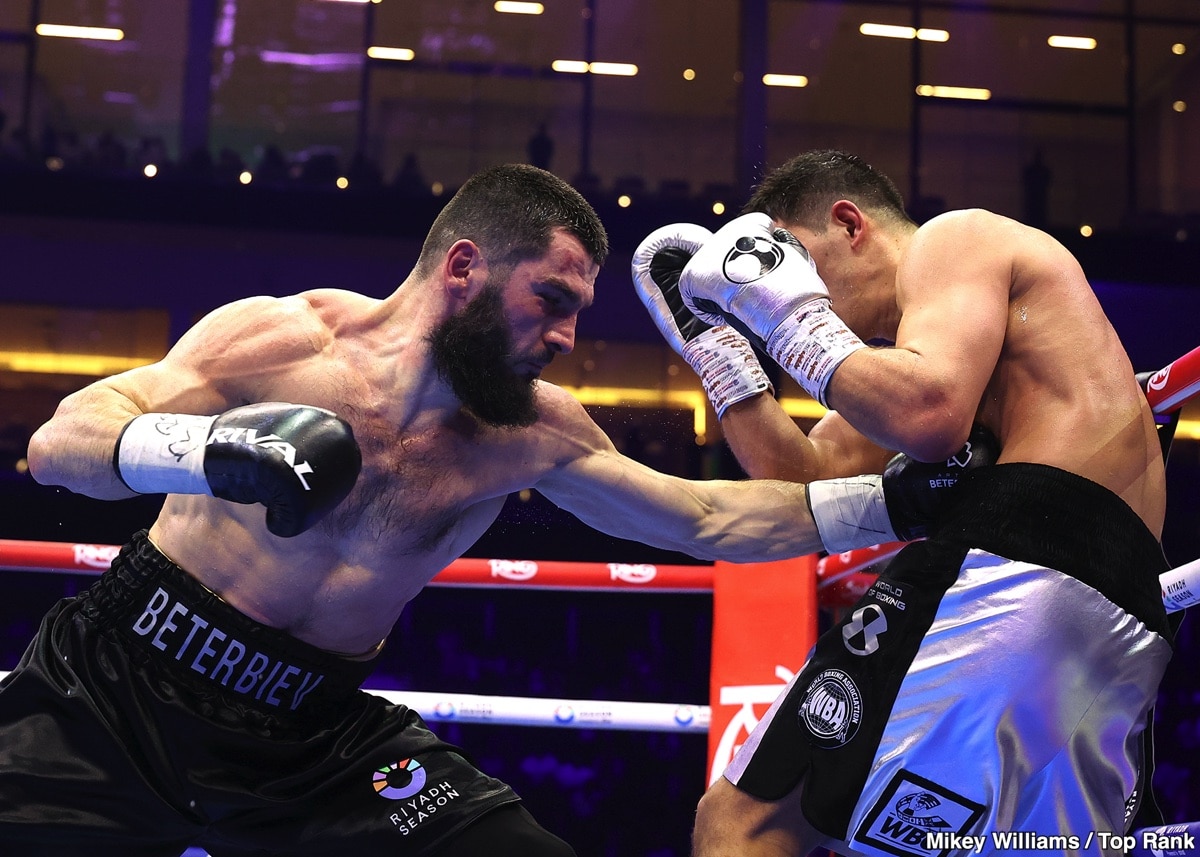 Boxing News
Dmitry Bivol Chooses WBO Title Over Beterbiev Trilogy
Dmitry Bivol opts for the WBO title instead of a trilogy with Artur Beterbiev, prioritizing belts over rivalry.
Read More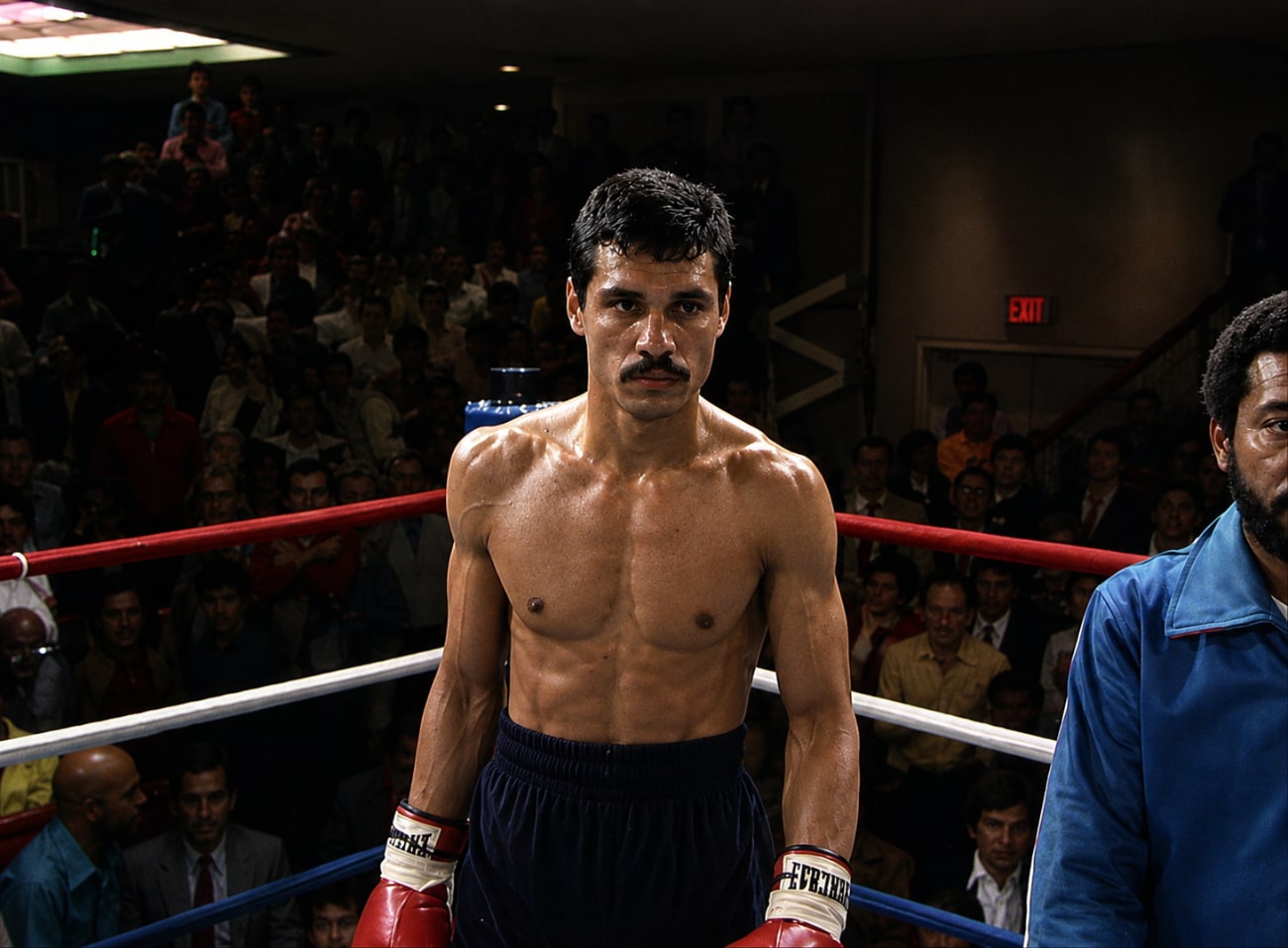 Boxing News
Aaron Pryor's Knockout Triumph Over Alexis Arguello in 1983
On September 9, 1983, Aaron Pryor's decisive win against Alexis Arguello solidified his legacy in boxing history.
Read More Boxing News
Fabio Wardley Reflects on Mistakes in Dubois Fight Strategy
Fabio Wardley discusses how his early success against Daniel Dubois led to a shift in strategy that cost him the fight.
Read More