Chimaev's Dangerous Weight Cut at UFC 328 Sparks Controversy
Khamzat Chimaev's perilous weight cut for UFC 328 nearly cost him his life, according to T.J. Dillashaw, reigniting debate over extreme weight cutting in MMA.
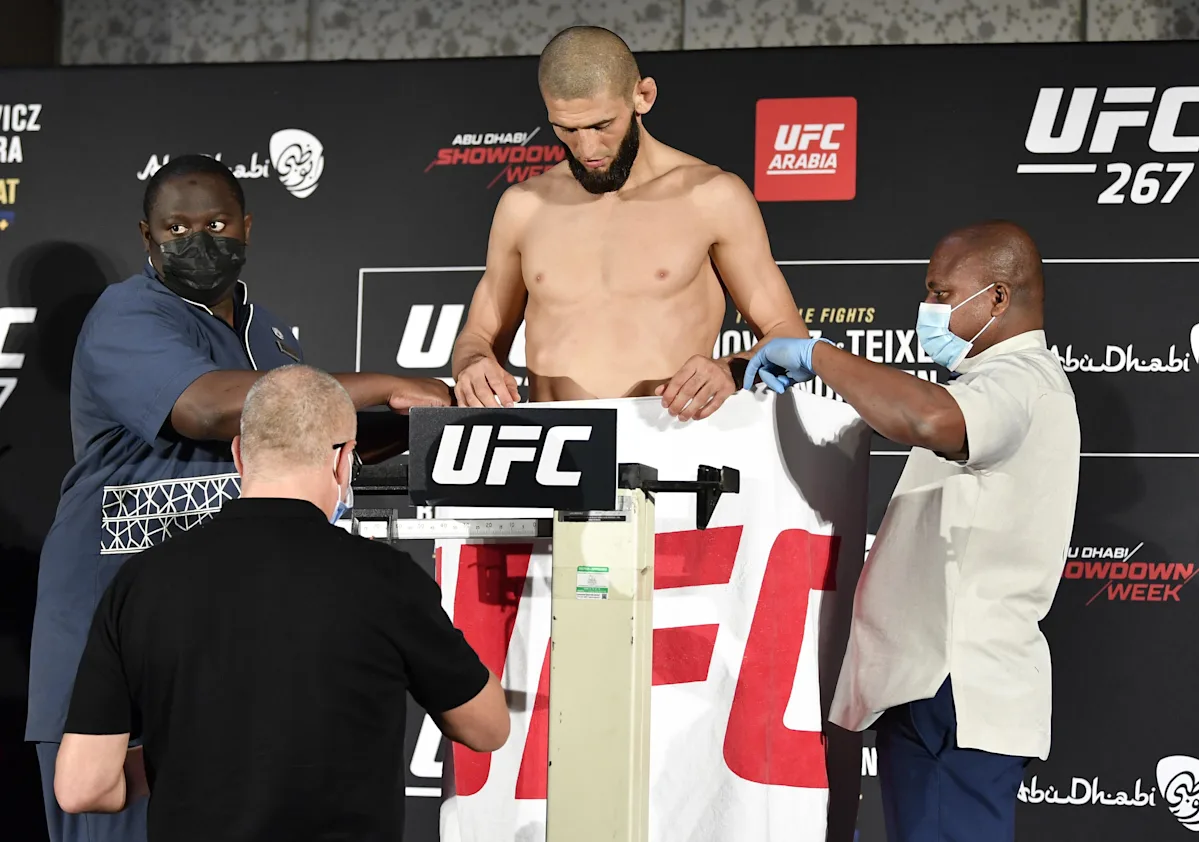
The octagon's unforgiving canvas often tells tales of incredible triumph and heartbreaking defeat, but sometimes, the real battle unfolds long before the first bell. Such is the harrowing narrative emerging from Khamzat Chimaev's recent middleweight title defense at UFC 328 in Newark against former champion Sean Strickland. What was supposed to be a showcase for "Borz" turned into a life-threatening ordeal, with claims surfacing that his pre-fight weight cut pushed him to the absolute brink of death, casting a grim shadow over his impressive performance.
The Perilous Path to UFC 328: A Near-Fatal Cut
The combat sports world was left stunned by reports surrounding Khamzat Chimaev's struggle to hit the 185-pound mark for his highly anticipated clash. Former UFC bantamweight champion T.J. Dillashaw, no stranger to the brutal realities of extreme weight cutting himself, offered a chilling firsthand account. Dillashaw, who witnessed Chimaev's training camp for UFC 328, alleged that "Borz" had entrusted his preparation to a "fraudulent" weight-cutting specialist whose methods were nothing short of catastrophic. Starting his camp a staggering 50 pounds over the middleweight limit, Chimaev's journey to the scale was already fraught with danger, exacerbated by his known metabolic disadvantage of having only half a thyroid.
"He was on the verge of death," Dillashaw recounted to MMA Fighting, detailing horrific symptoms like puking green bile. The severity was such that Chimaev reportedly considered offering Sean Strickland a million dollars to forgo the fight, convinced he couldn't safely make weight. This alarming revelation highlights the critical importance of legitimate physiological expertise in a sport where athletes routinely push their bodies to the absolute extreme. Without proper guidance, especially for a fighter with a compromised metabolism, a routine weight cut can quickly become a deadly gamble.
Fighting Through Adversity: Chimaev's Performance vs. Strickland
Despite the terrifying ordeal leading up to the fight, Khamzat Chimaev stepped into the octagon and delivered a performance that defied logic. Even after what T.J. Dillashaw described as "almost dying" on the scale, Chimaev went toe-to-toe with Sean Strickland, known for his relentless cardio and pressure. In a gritty five-round encounter, it was Chimaev who often pressed the action, landing significant strikes and demonstrating surprising stamina, particularly in the later rounds.
The fight ultimately resulted in a split decision loss for Chimaev, a verdict that Dillashaw vehemently disagreed with, questioning how Strickland could claim victory while fighting defensively. Regardless of the judges' scorecards, Chimaev's ability to perform at such a high level after enduring such a severe physiological trauma underscores his immense toughness and warrior spirit. However, it also raises serious questions about the long-term sustainability of such practices and the cumulative toll on a fighter's health and career.
The Weight of the World: Industry Debate and Chimaev's Future
The incident has inevitably reignited the perennial debate surrounding extreme weight cutting in mixed martial arts. Former UFC middleweight champion Michael Bisping weighed in on the issue, advocating for a fundamental shift in how fighters approach their weight. Bisping suggested that Chimaev, and indeed all fighters, should compete closer to their natural weight, perhaps even treating a middleweight contest like a welterweight cut, meaning starting camp significantly lighter.
Bisping articulated a common sentiment within the combat sports community: "Weight cuts are a scourge on this sport." He argued that fighting closer to natural body weight would lead to fewer injuries, enhanced performance, quicker recovery, and ultimately, a safer and more exciting product for fans. For Khamzat Chimaev, who has also previously struggled to make the 170-pound welterweight limit, this presents a significant dilemma. Immediately following his loss to Strickland, "Borz" declared a move to light heavyweight (205 pounds) before quickly reversing course and demanding an immediate rematch at middleweight.
What lies ahead for Khamzat Chimaev is a pivotal decision. His health and long-term career trajectory depend on finding a sustainable weight class and, crucially, a competent and safe weight management team. Whether he commits to middleweight with a vastly improved approach, or finally makes the jump to light heavyweight, the lessons from UFC 328 must serve as a stark reminder that some battles are simply not worth fighting, especially when they put a fighter's life on the line. The combat world eagerly awaits "Borz's" next move, hoping for a future defined by performance, not peril.
This report is based on original coverage by Yahoo Sports MMA. Read our editorial policy.
Related Stories
 MMA News
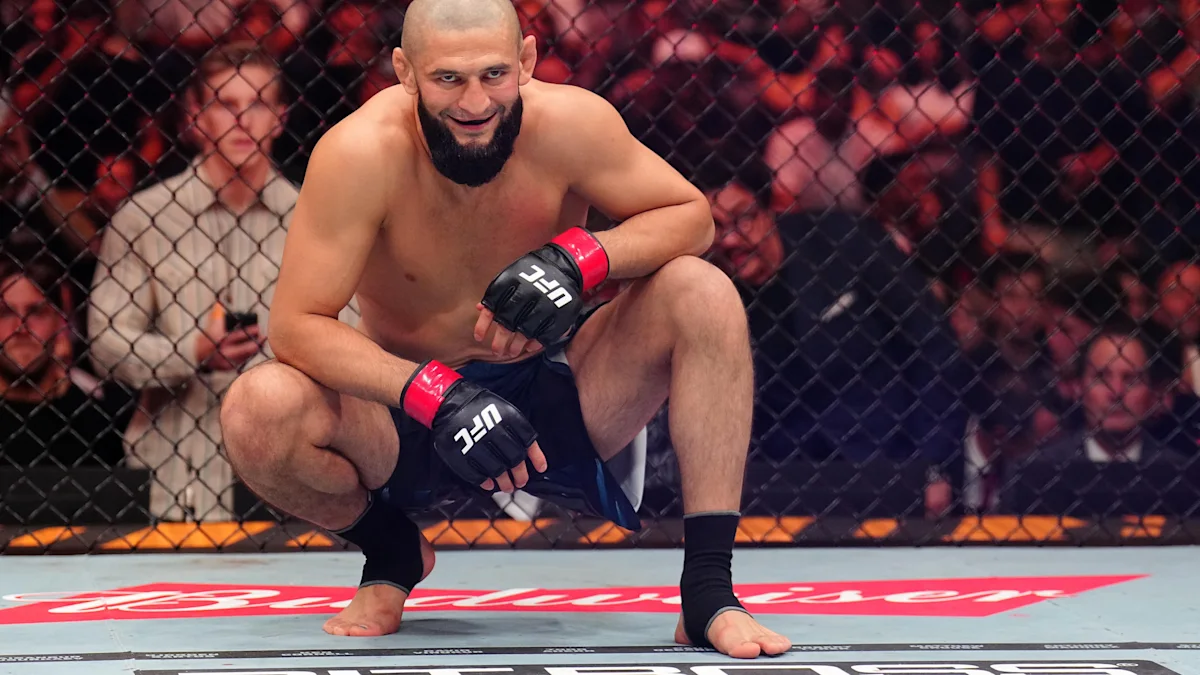
Khamzat Chimaev vs. Colby Covington Set for RAF Abu Dhabi Showdown
Khamzat Chimaev and Colby Covington will clash for the RAF Cruiserweight Crossover Championship on November 14 in Abu Dhabi. Don't miss this epic showdown!
Read More MMA News
Pound-for-Pound Rankings: Van and Tsarukyan Enter Top 10
Former champions elevate the women's flyweight division as Van and Tsarukyan break into the top 10 of the latest pound-for-pound rankings.
Read MoreBilal Hasan Aims for More UFC Shanghai-Style Knockouts
Bilal Hasan secures another knockout win, setting his sights on a career full of highlight finishes in the UFC.
Read More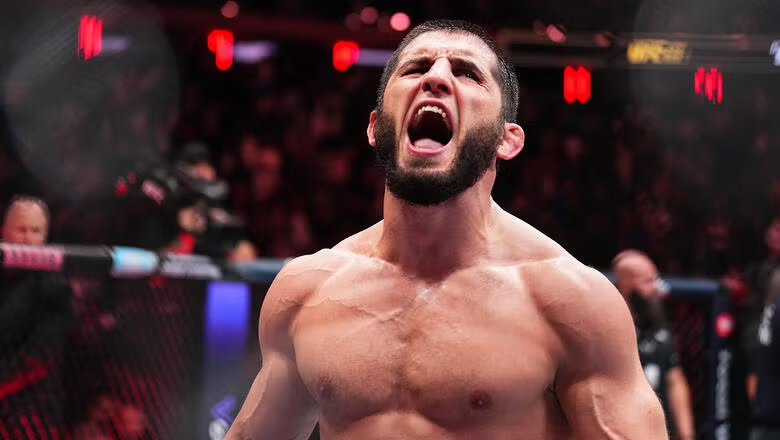 MMA News
Islam Makhachev Aims for Legacy in UFC 330 Title Defense
Islam Makhachev prepares for his first welterweight title defense at UFC 330, seeking to solidify his legacy with another victory.
Read More